

Understanding Sanctions Compliance
In today’s globalized economy, the compliance landscape is increasingly complex. Businesses engaged in international trade need to understand various factors that affect their operations, and one of the most critical is Sanctions Compliance Sanctions Lawyers. This aspect of international law governs how companies must behave when dealing with foreign nations and entities that are subject to sanctions.
What is Sanctions Compliance?
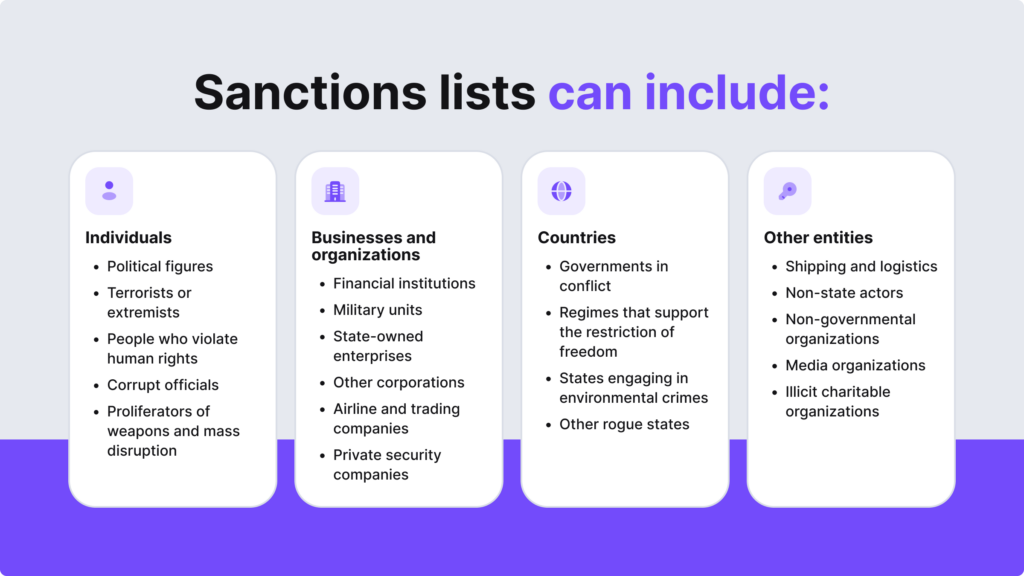
Sanctions compliance refers to the adherence to laws and regulations that restrict or prohibit trade, investment, and other transactions with certain countries, individuals, or entities. Such sanctions are typically instituted by governments as a means to exert political pressure, maintain national security, or uphold international norms.
The Importance of Sanctions Compliance
Compliance with sanctions is crucial for several reasons:
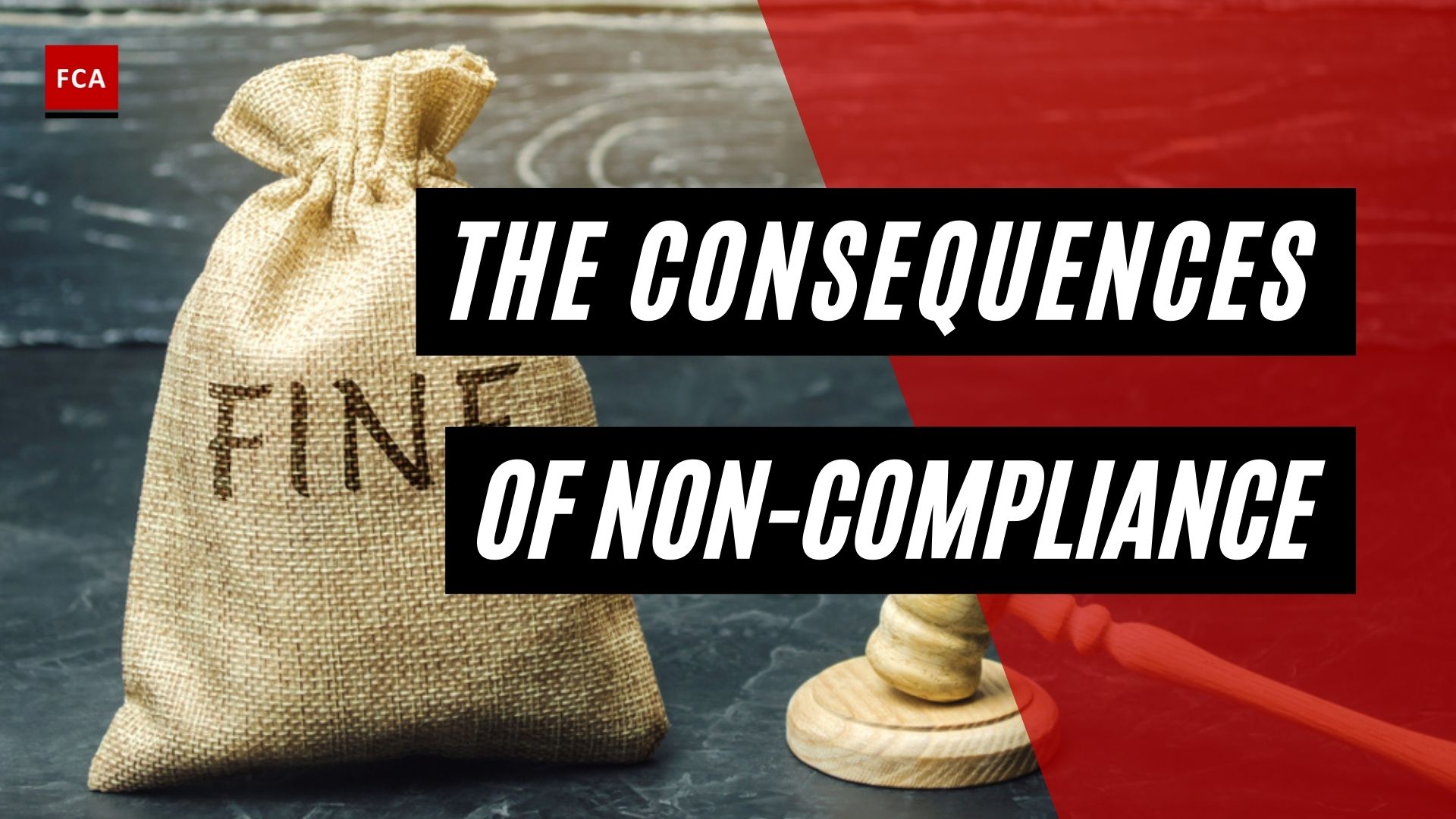
- Legal Obligations: Non-compliance can lead to severe legal consequences, including substantial fines, loss of business licenses, and reputational damage.
- Protecting Reputation: In today’s interconnected world, companies are under scrutiny for their ethical practices. Non-compliance could tarnish a company’s reputation and erode customer trust.
- Avoiding Operational Disruption: Engaging with sanctioned entities can result in disruptions to business operations, including the seizure of assets or blockage of accounts.
- Enhancing Business Integrity: A robust sanctions compliance program fosters a culture of integrity within an organization.
The Scope of Sanctions
Sanctions can take several forms:
- Comprehensive Sanctions: These sanctions prohibit all interactions with a sanctioned country, including trade, investment, and financial transactions. Examples include North Korea and Iran.
- Targeted Sanctions: Also known as selective or smart sanctions, these are aimed at specific individuals or entities rather than an entire country. These can include asset freezes and travel bans.
- Sectoral Sanctions: These limit specific sectors of a nation’s economy—such as finance, energy, or defense—without imposing comprehensive sanctions on the entire country.
Key Players in Sanctions Compliance
Understanding the key players involved in sanctions compliance is essential for businesses:
- Government Agencies: In many countries, different agencies oversee sanctions compliance, including the Treasury Department’s Office of Foreign Assets Control (OFAC) in the United States, the European Union, and other national entities.
- Legal Advisors: Many companies engage legal professionals who specialize in sanctions compliance to navigate these complex regulations.
- Compliance Officers: Organizations typically designate compliance officers, establishing frameworks and processes to ensure adherence to sanctions regulations.
Establishing a Sanctions Compliance Program
Developing an effective sanctions compliance program involves several key steps:
- Conduct a Risk Assessment: Evaluate the business’s exposure to sanctions risks based on geographic presence, clientele, and the nature of the business.
- Implement Policies and Procedures: Develop clear policies outlining the approach to sanctions compliance, including due diligence procedures for clients and partners.
- Training and Awareness: Regular training programs should be conducted to educate employees about their roles in compliance efforts.
- Monitoring and Auditing: Conduct periodic reviews of business practices to identify potential compliance violations and ensure ongoing adherence to policies.
Challenges in Sanctions Compliance
Businesses often face several challenges in achieving sanctions compliance:
- Complex Regulatory Frameworks: Regulations can vary significantly between jurisdictions, making it difficult for multinational companies to understand their obligations.
- Rapidly Changing Laws: Sanctions regulations can change quickly in response to geopolitical events, requiring constant vigilance from compliance officers.
- Technology and Data Management: Companies must invest in technology to better manage data and monitor for sanctions exposure effectively.
Best Practices for Sanctions Compliance
Adopting the following best practices can enhance sanctions compliance:
- Continuous Training: Employee training should not be a one-time event; continuous education ensures that staff stay updated on sanctions developments.
- Leverage Technology: Utilize software tools for real-time monitoring of sanctions updates, risk assessments, and transaction screening.
- Engage External Experts: Consult with sanctions compliance experts or legal advisors, especially for complex matters or during changes in regulation.
Conclusion
Sanctions compliance is a critical component of international trade that requires a proactive approach. With the right strategies, businesses can minimize risks and ensure they operate within the confines of the law. Understanding and adhering to sanctions regulations not only safeguards against legal penalties but also contributes to the overall integrity of the business. As the global landscape evolves and sanctions become more frequent and complex, businesses must remain agile and informed to navigate this ever-changing environment effectively.